

Drugs and medication can cause constipation because certain treatments, such as opioids for pain relief, reduce activity in the nervous system and slow down the transit of food through the digestive system. The intestine walls absorb more fluid resulting in hard stools and constipation.
• What type of medication can cause constipation?
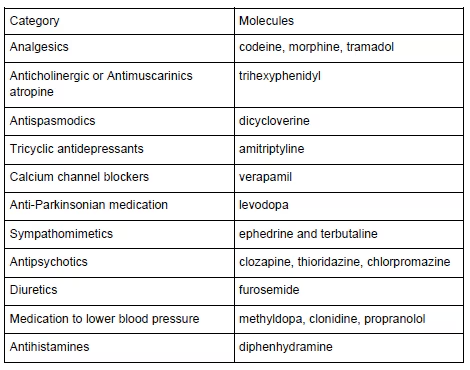
Painkillers (or analgesics) including opioids, morphine and tramadol can lead to constipation. Long-term use of painkillers increases the likelihood of this side effect.
Antidepressants and neuroleptics such as Prozac and Deroxat can also contribute to constipation, as well as certain heart medications and antispasmodics. Surprisingly, excessive use of laxatives can also cause constipation.
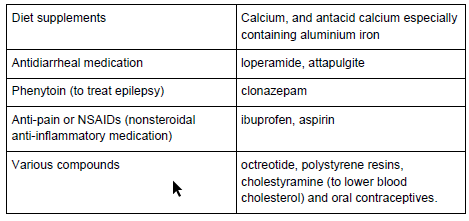
• Which medication cause constipation?
• How to avoid constipation caused by medication
Area
Action
Diet
Eat plenty of foods that are high in fibre, such as cereals (bran, oats, linseed), green vegetables and legumes. Fruits including prunes and cherries can also assist transit. Drink plenty of water (at least 1.5 litres per day) and avoid alcohol.
Exercise
Physical activity can help to prevent constipation. Simple exercise including walking and cycling can also help.
Toilet routine
Don’t delay if you feel the urge to pass a stool. Give yourself plenty of time to use the toilet and ideally keep to a regular time and place.
Medication choice
Discuss alternative medications with a medical professional. It may not be possible to change your prescription, but it can be worth asking. Do not stop treatment or make any changes without seeking medical advice.
Your physician may recommend a laxative to help internal transit. OptiFibre® can be used alongside medication to ease the symptoms of constipation. Do discuss any treatment with a medical professional.